Top 5 Stress Relief Techniques: Massage and More
Stress is an inevitable part of life, but managing it effectively can lead to a healthier and happier existence. With the fast-paced nature of modern living, finding effective stress relief techniques is essential. In this blog post, we will explore five powerful methods to alleviate stress, including the benefits of massage therapy and other holistic approaches.

Understanding Stress and Its Effects
Before diving into the techniques, it’s important to understand what stress is and how it affects our bodies and minds. Stress is the body’s response to any demand or challenge, often leading to physical and emotional strain. Chronic stress can result in various health issues, including anxiety, depression, heart disease, and weakened immune function.
Signs of Stress
Recognizing the signs of stress is the first step toward managing it. Common symptoms include:
Physical Symptoms: Headaches, fatigue, muscle tension, and digestive issues.
Emotional Symptoms: Irritability, anxiety, and mood swings.
Behavioral Symptoms: Changes in appetite, sleep disturbances, and social withdrawal.
Understanding these signs can help you identify when you need to take action to relieve stress.
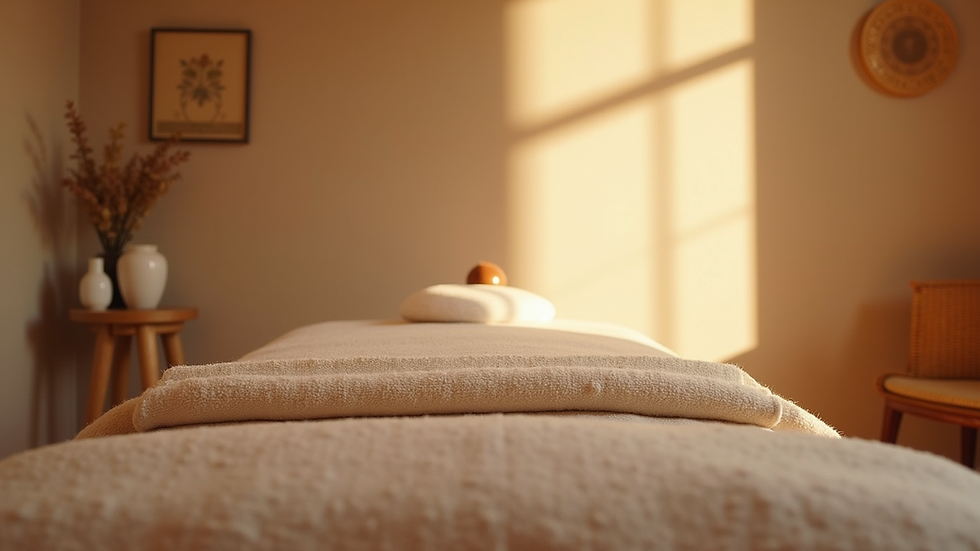
1. Massage Therapy
Massage therapy is one of the most effective ways to relieve stress. It involves manipulating the muscles and soft tissues of the body to promote relaxation and improve circulation.
Benefits of Massage
Reduces Muscle Tension: Massage helps to alleviate tightness in muscles, which can be a physical manifestation of stress.
Improves Circulation: Enhanced blood flow can lead to better oxygenation of tissues and faster recovery from physical exertion.
Promotes Relaxation: The soothing touch of a massage can trigger the release of endorphins, the body’s natural painkillers, and mood elevators.
Types of Massage
There are various types of massage techniques, each with unique benefits:
Swedish Massage: Focuses on relaxation and uses long, flowing strokes.
Deep Tissue Massage: Targets deeper layers of muscle and connective tissue, ideal for chronic tension.
Aromatherapy Massage: Combines essential oils with massage techniques to enhance relaxation.
Incorporating regular massage sessions into your routine can significantly reduce stress levels and improve overall well-being.
2. Mindfulness Meditation
Mindfulness meditation is a practice that encourages individuals to focus on the present moment without judgment. This technique can help reduce stress by promoting a sense of calm and clarity.
How to Practice Mindfulness
Find a Quiet Space: Choose a comfortable and quiet location where you won’t be disturbed.
Focus on Your Breath: Close your eyes and take deep, slow breaths. Pay attention to the sensation of your breath entering and leaving your body.
Acknowledge Your Thoughts: If your mind wanders, gently bring your focus back to your breath without judgment.
Benefits of Mindfulness
Reduces Anxiety: Regular practice can help lower anxiety levels and improve emotional regulation.
Enhances Focus: Mindfulness can improve concentration and cognitive flexibility.
Promotes Emotional Health: It fosters a greater sense of self-awareness and emotional resilience.
Incorporating mindfulness meditation into your daily routine can be a powerful tool for managing stress.
3. Physical Activity
Engaging in regular physical activity is another effective way to combat stress. Exercise releases endorphins, which are chemicals in the brain that act as natural painkillers and mood elevators.
Types of Physical Activity
Aerobic Exercise: Activities like running, cycling, or swimming can significantly boost your mood.
Yoga: Combines physical postures, breathing exercises, and meditation to promote relaxation and flexibility.
Strength Training: Lifting weights or using resistance bands can improve physical strength and mental resilience.
Benefits of Exercise
Improves Mood: Regular exercise can lead to improved mood and reduced feelings of depression and anxiety.
Enhances Sleep Quality: Physical activity can help you fall asleep faster and deepen your sleep.
Boosts Self-Confidence: Achieving fitness goals can enhance self-esteem and body image.
Finding an activity you enjoy can make it easier to incorporate exercise into your routine, leading to long-term stress relief.
4. Deep Breathing Exercises
Deep breathing exercises are a simple yet effective way to reduce stress and promote relaxation. This technique involves focusing on your breath to calm the mind and body.
How to Practice Deep Breathing
Sit or Lie Down Comfortably: Find a comfortable position where you can relax.
Inhale Deeply: Breathe in slowly through your nose, allowing your abdomen to rise.
Exhale Slowly: Release your breath through your mouth, feeling your abdomen fall.
Benefits of Deep Breathing
Reduces Heart Rate: Deep breathing can lower your heart rate and blood pressure, promoting a sense of calm.
Enhances Oxygen Flow: It increases oxygen supply to your brain and muscles, improving overall function.
Promotes Relaxation: Engaging in deep breathing can activate the body’s relaxation response, counteracting stress.
Incorporating deep breathing exercises into your daily routine can provide immediate relief during stressful moments.
5. Nature Therapy
Spending time in nature has been shown to have a profound impact on mental health and stress levels. Nature therapy, or ecotherapy, involves engaging with the natural environment to promote healing and relaxation.
Benefits of Nature Therapy
Reduces Stress Hormones: Exposure to nature can lower cortisol levels, the hormone associated with stress.
Improves Mood: Being in natural surroundings can enhance feelings of happiness and well-being.
Boosts Creativity: Nature can inspire creativity and improve cognitive function.
Ways to Engage with Nature
Take a Walk: Spend time walking in a park or natural setting to enjoy the sights and sounds of nature.
Gardening: Engaging in gardening can be therapeutic and provide a sense of accomplishment.
Mindful Observation: Practice mindfulness by observing the details of your natural surroundings, such as the colors, textures, and sounds.
Incorporating nature therapy into your life can provide a refreshing escape from daily stressors.
Conclusion
Managing stress is crucial for maintaining overall health and well-being. By incorporating techniques such as massage therapy, mindfulness meditation, physical activity, deep breathing exercises, and nature therapy, you can effectively reduce stress and enhance your quality of life.
Take the first step today by trying one of these techniques and see how it impacts your stress levels. Remember, finding what works best for you is key to creating a sustainable stress relief routine. Embrace these practices and enjoy a more relaxed and balanced life.

Comments